As conscientious water consumers, we all wonder whether the water flowing through our taps is safe to drink. In the case of Albemarle, North Carolina, the question lingers: "Is Albemarle's water safe for me to gulp down without any worry?" Let's dive into the depths of this issue and explore the fascinating world of water safety standards, the source of Albemarle's water supply, potential contaminants, testing and monitoring processes, and the health implications of imbibing this H2OH-so-potentially-refreshing liquid.
Understanding Water Safety Standards
Before we dive headfirst into the crystal-clear waters of Albemarle's water safety, it's essential to understand the regulations that govern drinking water.
Water is a fundamental resource for human survival, and ensuring its safety is of utmost importance. In the United States, the responsibility for regulating drinking water falls under the jurisdiction of the U.S. Environmental Protection Agency (EPA). This federal agency acts as our aquatic superhero, tirelessly working to protect public health by setting and enforcing water quality standards.
Federal Regulations on Drinking Water
When it comes to the purity of the water we drink, the EPA has established stringent guidelines. These guidelines are based on extensive research, scientific studies, and a deep understanding of the potential contaminants that can be present in water sources. By setting maximum allowable levels for various contaminants, the EPA ensures that the water we consume meets the highest standards of safety.
The EPA's regulations cover a wide range of contaminants, including bacteria, viruses, chemicals, and heavy metals. Through comprehensive testing and analysis, the agency determines the maximum allowable concentrations for each contaminant, taking into account both short-term and long-term health risks. By adhering to these regulations, water suppliers across the country play a crucial role in safeguarding public health.
State Regulations on Drinking Water in North Carolina
While the EPA sets the baseline standards for drinking water quality, individual states also have their own regulations to ensure the safety of their residents. In North Carolina, the Division of Water Resources and the Department of Environmental Quality are the dynamic duo responsible for water safety.
These state entities work hand in hand, lacing up their water-safety boots, to monitor and enforce water quality standards within the state. They conduct regular inspections, collect samples, and analyze data to ensure that the water flowing from our taps is nothing short of spectacular.
North Carolina's regulations complement the federal standards set by the EPA. They take into account specific regional factors, such as local water sources, geological conditions, and potential contaminants that may be more prevalent in certain areas. By tailoring their regulations to the unique characteristics of the state, North Carolina's water safety authorities provide an additional layer of protection for its residents.
It is important to note that water safety is a collaborative effort between federal, state, and local authorities, as well as water suppliers and treatment facilities. By working together and adhering to the established regulations, we can ensure that the water we drink is not only refreshing but also safe for consumption.
The Source of Albemarle's Water Supply
Ladies and gentlemen, boys and girls, let's embark on a riveting voyage to discover the origins of Albemarle's water supply. Where does it come from, you ask? Fear not, for we shall uncover this aquatic treasure!
Natural Water Sources in Albemarle
Albemarle is blessed with abundant natural water sources like rivers, lakes, and even underground aquifers. Mother Nature does an excellent job creating this liquid marvel for our consumption.
Water Treatment Processes in Albemarle
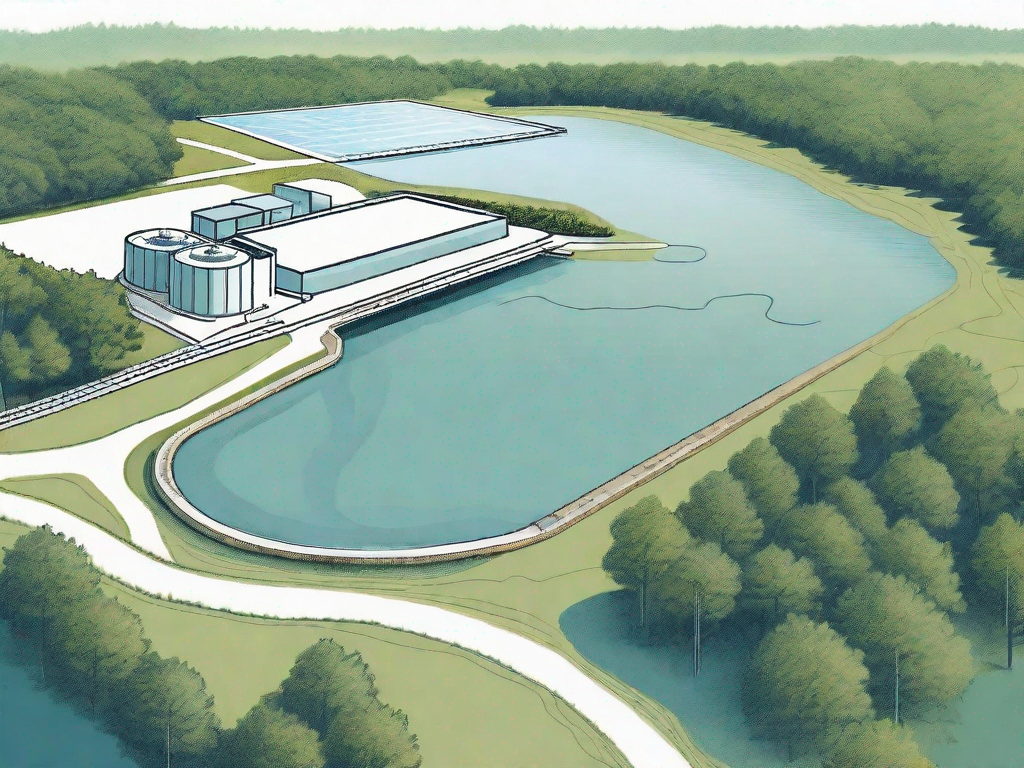
But wait! Natural water is like a diamond in the rough—it requires some polishing before we can drink it. Albemarle employs a remarkable water treatment process that removes impurities and ensures our drinking water meets those aforementioned water safety standards.
Potential Contaminants in Albemarle's Water
While Albemarle's water undergoes rigorous treatment, it's essential to be aware of the potential bad apples that could spoil the bunch. Let's unmask some common contaminants and explore how they manage to infiltrate our gloriously treated water.
Common Water Contaminants
The cast of characters in the world of water contamination is diverse. From chemicals like lead and mercury to organisms like bacteria and viruses, we must remain cautious of these potential party crashers.
How Contaminants Enter the Water Supply
Contaminants may knock on the water's door, but how do they manage to find their way inside? Let's uncover the water supply's vulnerable points—be it old plumbing or polluted natural sources—and explore the means through which they can infiltrate our cherished drinking water.
Testing and Monitoring of Albemarle's Water Quality
To maintain an eagle-eye view of water quality, Albemarle authorities have devised a diligent testing and monitoring scheme. They keep their magnifying glasses handy and never tire of conducting quality tests. How impressive!
Regular Water Quality Tests
While we may eagerly anticipate the next episode of our favorite TV show, our water authorities await their beloved water quality tests. These regular evaluations ensure that Albemarle's water remains as pure as the driven snow.
Public Access to Water Quality Reports
Knowledge is power, my dear water aficionados! Curious to know the results of the recent water quality tests? Fear not! Albemarle's authorities gladly provide access to water quality reports, empowering residents to stay informed about the state of their beloved tap water.
Health Implications of Drinking Albemarle's Water
The million-dollar question: How does Albemarle's finest H2O impact our health? Let's teleport ourselves into a crystal ball and gaze upon the short-term and long-term effects of drinking this watery elixir.
Short-term Health Effects
Ever had a night of indulgence and awakened the next day to discover your body's response? Similarly, drinking contaminated water can wreak havoc on our bodies in the short term. From upset stomachs to the dreaded "yuck" factor, we explore the immediate effects that Albemarle's water may have on our well-being.
Long-term Health Effects
Imagine our bodies as magnificent palaces constructed with care. Over the long term, exposure to certain water contaminants can chip away at the foundations of our health, leading to potentially serious consequences. Let's explore the perils that may arise as a result of consuming Albemarle's water over an extended period.
So, dear Albemarle residents and curious onlookers, the answer to our burning question, "Is Albemarle, North Carolina water safe to drink?" seems clear. With its stringent adherence to water safety regulations, meticulous treatment processes, regular testing and monitoring, and open access to water quality reports, Albemarle pushes fear aside and embraces our right to quench our thirst with its high-quality H2O. Sip boldly, my friends, for the waters of Albemarle are indeed safe to drink.