If you're a resident of Arlington, Washington, you may have wondered whether the water flowing from your tap is safe to drink. Water safety is a pressing concern for many, and rightfully so. In this article, we will delve into the topic of Arlington's water safety, exploring the standards put in place, the source of the water supply, potential contaminants, water quality reports, and the health implications of drinking Arlington's water. So grab a glass of water (or your beverage of choice) and join us on this informative journey!
Understanding Water Safety Standards
When it comes to water safety, standards play a crucial role in ensuring that our drinking water is safe and free from harmful substances. But what exactly constitutes safe drinking water? The answer lies in a combination of factors, including chemical, physical, and microbiological characteristics. Let's take a closer look at these elements.
Chemical characteristics are one of the key factors in determining the safety of drinking water. This includes analyzing the levels of various substances such as heavy metals, pesticides, and organic compounds. The presence of these contaminants can have detrimental effects on human health, making it essential to closely monitor and regulate their levels in our water supply.
Physical characteristics also play a significant role in water safety. Turbidity, for example, refers to the cloudiness or haziness of water caused by suspended particles. High turbidity levels can indicate the presence of pollutants or sediments, which can affect the taste, odor, and overall quality of drinking water. Monitoring and controlling turbidity levels are crucial to ensuring that our water is clean and safe to consume.
Microbiological characteristics focus on the presence of harmful microorganisms in drinking water. Bacteria, viruses, and parasites can pose serious health risks if ingested. Therefore, water safety standards include rigorous testing and treatment processes to eliminate or reduce the presence of these microorganisms. This ensures that the water we drink is free from harmful pathogens.
What Constitutes Safe Drinking Water?
Safe drinking water should be free from contaminants and meet the criteria set forth by regulatory bodies. The parameters include factors such as pH levels, turbidity, temperature, and the absence of harmful microorganisms. Drinking water must be clear, odorless, and tasteless, providing a refreshing and healthy experience for those who consume it.
pH levels, which measure the acidity or alkalinity of water, are an important aspect of water safety. The ideal pH range for drinking water is typically between 6.5 and 8.5. Water with a pH outside of this range may indicate the presence of corrosive substances or excessive minerals, which can affect both the taste and the integrity of plumbing systems.
Temperature is another factor to consider when it comes to safe drinking water. Water that is too hot or too cold can affect its palatability and may also impact the effectiveness of disinfection processes. Therefore, water safety standards often include guidelines for maintaining an appropriate temperature range to ensure optimal quality.
Federal and State Regulations on Water Safety
To safeguard public health, the Federal government, primarily through the Environmental Protection Agency (EPA), establishes regulations and sets water quality standards. These regulations serve as benchmarks for state and local agencies responsible for managing and delivering clean, safe drinking water to communities like Arlington.
The EPA's Safe Drinking Water Act (SDWA) sets the legal framework for protecting public drinking water supplies in the United States. It outlines the responsibilities of water suppliers, establishes standards for water quality, and requires regular monitoring and reporting of water quality data. The SDWA ensures that water safety remains a top priority and that communities have access to clean and reliable drinking water.
In addition to federal oversight, Washington state has its own set of regulations to ensure drinking water safety. The Washington State Department of Health (DOH) collaborates with water suppliers, monitors compliance, and provides guidance to ensure that safe drinking water is available to Washington residents. The DOH works closely with local health jurisdictions and water systems to enforce regulations and promote best practices in water treatment and distribution.
These state and federal regulations work hand in hand to ensure that water safety standards are met and that the public has access to clean and safe drinking water. By establishing guidelines, monitoring compliance, and implementing effective treatment processes, regulatory bodies strive to protect public health and well-being.
The Source of Arlington's Water Supply
Have you ever wondered where Arlington's water comes from? Let's dive into the aqua-centric origins of this vital resource.
Natural Water Sources in Arlington
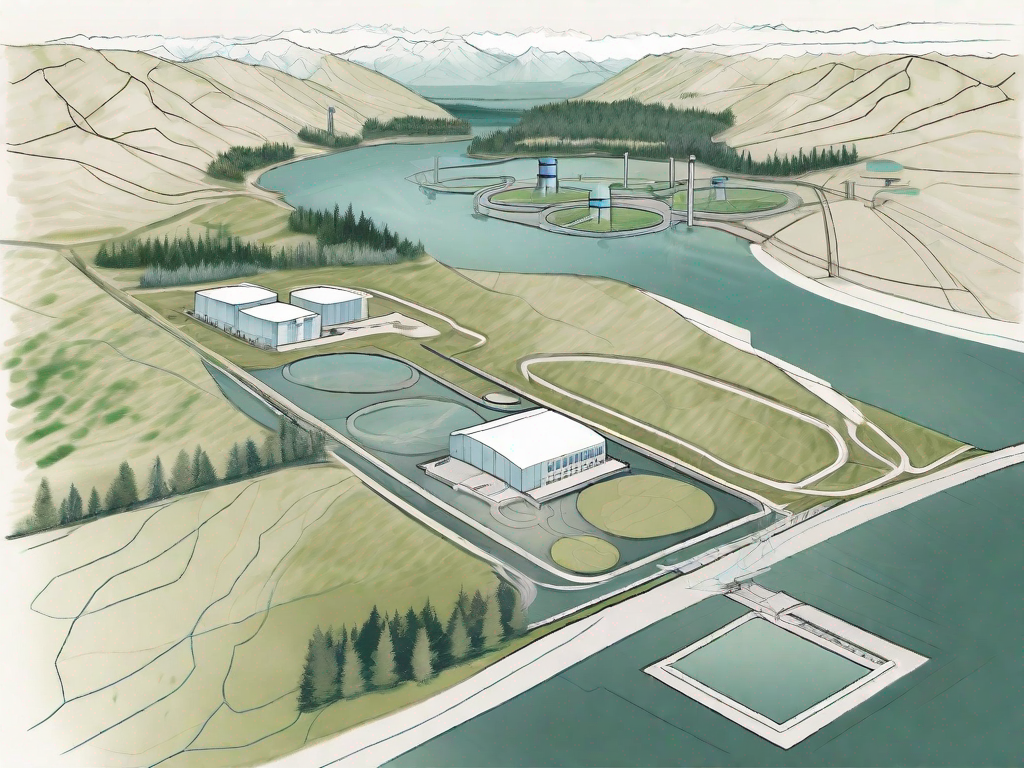
Arlington receives its water supply from multiple natural sources, such as rivers, lakes, and underground aquifers. The nearby Stillaguamish River and the Skagit River provide a significant portion of Arlington's water needs. These majestic water bodies not only quench our thirst but also serve as habitats for a rich diversity of aquatic flora and fauna.
Water Treatment Processes in Arlington
Before it reaches our taps, Arlington's water goes through a series of treatment processes to ensure its safety. These processes include coagulation, flocculation, sedimentation, filtration, and disinfection. Through these meticulous steps, any potential contaminants are removed, rendering the water suitable for consumption.
Potential Contaminants in Arlington's Water
While Arlington's water is treated to remove contaminants, it's essential to be aware of the potential risks. Let's explore some common water contaminants and how they might enter the water supply.
Common Water Contaminants
The water supply can be vulnerable to various contaminants, including but not limited to bacteria, nitrates, heavy metals, pesticides, and organic chemicals. These substances can pose health risks if consumed in high concentrations.
How Contaminants Enter the Water Supply
Contaminants can enter the water supply through various routes, such as agricultural runoff, industrial discharge, or naturally occurring processes. Proper monitoring and treatment are vital to minimizing the presence of these contaminants and ensuring safe drinking water for residents.
Arlington's Water Quality Reports
To keep residents informed, Arlington regularly publishes water quality reports that detail the findings of their monitoring programs. Let's take a closer look at these reports and how to interpret the information within.
Interpreting Water Quality Data
Reading a water quality report may seem daunting at first, but fear not! These reports contain valuable information about the water in your community. They often include data on chemical concentrations, microbial presence, and compliance with water safety standards. Understanding this data empowers residents to make informed decisions about their water consumption habits.
Arlington's Most Recent Water Quality Findings
While we may not have the most recent water quality data at our fingertips, Arlington's water quality reports provide valuable insights into the safety of the water supply. These findings are typically based on extensive testing and analysis carried out by experts in the field. It's always reassuring to know that responsible monitoring is taking place to ensure the safety of our drinking water.
Health Implications of Drinking Arlington's Water
Now that we have a better understanding of Arlington's water safety standards, let's explore the health implications of drinking the water in this beautiful Washington city.
Short-term and Long-term Health Effects
In general, Arlington's water is safe to drink and poses no immediate health risks. However, some individuals may be more susceptible to certain contaminants or experience specific short-term effects. It's crucial to stay informed about any public health advisories or recommendations that may arise.
Vulnerable Populations and Water Safety
People with compromised immune systems, infants, pregnant women, and the elderly may be more susceptible to the potential health effects of certain contaminants. If you fall into one of these vulnerable populations or have concerns about your water's safety, it's always a good idea to consult with your healthcare provider or consider additional water treatment measures.
Now that you have a deeper understanding of Arlington's water safety, you can feel confident in your decision to hydrate with a glass of water right from the tap. Remember, staying informed is the key to ensuring the health and well-being of you and your loved ones. Cheers to safe and refreshing water in Arlington, Washington!