You may be wondering if the water in Centereach, New York is safe to drink. Well, fear not! In this article, we'll delve into the subject of water safety and explore the various factors that determine the quality of drinking water in Centereach.
Understanding Water Safety Standards
When it comes to drinking water, both federal and state regulations play a crucial role in ensuring its safety. These regulations set the standards for water quality and require regular monitoring and testing to maintain these standards.
Ensuring the safety of drinking water is of utmost importance to protect public health. Federal and state regulations work hand in hand to establish guidelines and requirements that water suppliers must adhere to. These regulations are designed to safeguard against harmful contaminants and ensure that the water we consume is clean and free from any potential health risks.
Federal and State Regulations for Drinking Water
The Environmental Protection Agency (EPA) sets the national standards for drinking water quality under the Safe Drinking Water Act. These standards are based on extensive research and scientific studies to determine the maximum allowable levels of various contaminants in drinking water. By setting these standards, the EPA aims to protect the health of all Americans by ensuring that their drinking water is safe and free from harmful substances.
In addition to federal regulations, each state also has its own set of stringent standards that must be met. These state regulations may go beyond the federal requirements to address specific concerns or unique environmental conditions within the state. For example, in New York State, the Department of Health has established additional regulations to protect against potential contaminants that may be present in the local water sources.
Key Indicators of Water Quality
Water quality is determined by various indicators, each providing valuable information about the safety and suitability of the water for consumption. These indicators include:
- Presence of Contaminants: Water is tested for the presence of various contaminants, such as bacteria, viruses, heavy metals, pesticides, and chemicals. These contaminants can pose serious health risks if present in high concentrations.
- pH Levels: The pH level of water indicates its acidity or alkalinity. It is an important factor in determining water quality, as extreme pH levels can affect the taste, odor, and overall suitability of water for different uses.
- Turbidity: Turbidity refers to the cloudiness or haziness of water caused by suspended particles. High turbidity levels can indicate the presence of sediment, organic matter, or other substances that may affect the water's clarity and quality.
- Disinfection Byproducts: When water is treated with disinfectants, such as chlorine, disinfection byproducts may form. These byproducts, such as trihalomethanes and haloacetic acids, are regulated due to their potential health risks. Regular monitoring helps to ensure that disinfection byproducts are kept within safe limits.
Regular testing and monitoring of these indicators are essential to identify any potential issues and allow for timely corrective action. Water suppliers are required to conduct routine sampling and analysis to ensure that the water they provide meets all the necessary quality standards. In case of any deviations or exceedances, appropriate measures must be taken to rectify the situation and maintain the safety of the drinking water supply.
The Source of Centereach's Water Supply
Centereach, being located on Long Island, is fortunate to have access to several natural water sources. These sources include groundwater reserves, lakes, and rivers that serve as the primary sources of drinking water for the community.
Natural Water Sources in Centereach
The groundwater in Centereach is derived from underground aquifers, which act as natural filters, providing a source of clean and reliable water. Additionally, nearby lakes and rivers contribute to the overall water supply.
Water Treatment Process in Centereach
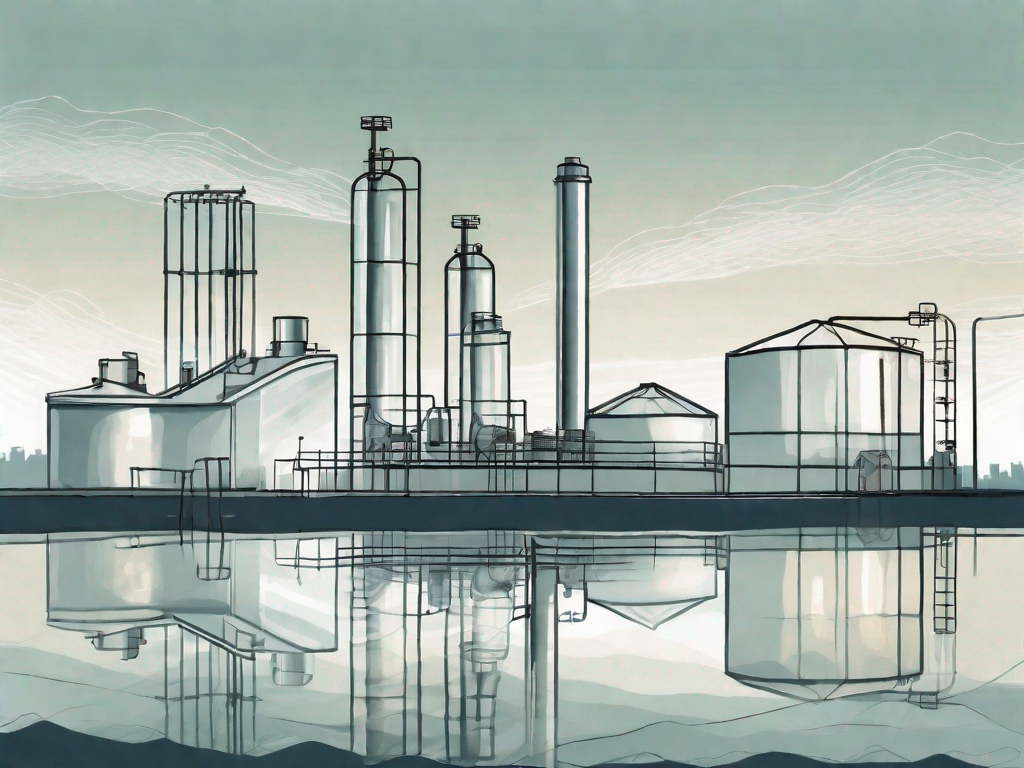
Before reaching your tap, Centereach's water undergoes a rigorous treatment process to ensure its safety. This process includes filtration, disinfection, and chemical treatment to remove impurities and harmful substances.
Potential Contaminants in Centereach's Water
While the water treatment process in Centereach is designed to remove contaminants, it's essential to be aware of the potential pollutants that can find their way into the water supply.
Common Water Pollutants and Their Effects
Contaminants such as lead, arsenic, pesticides, and industrial chemicals are some examples of potential water pollutants. These substances can have adverse health effects if consumed in high concentrations.
How Contaminants Enter the Water Supply
Contaminants can enter the water supply through various means, including industrial activities, agricultural runoff, and aging infrastructure. It is important to address these sources to maintain the water quality in Centereach.
Testing and Monitoring of Centereach's Water Quality
Regular testing and monitoring are integral to ensuring the ongoing safety of Centereach's drinking water. Multiple measures are in place to assess and maintain the quality of the water supply.
Frequency and Methods of Water Testing
The water in Centereach is tested regularly at different stages of the treatment process and throughout the distribution system. Various water quality parameters are measured using advanced laboratory techniques.
Public Access to Water Quality Reports
In the interest of transparency, the results of water quality testing are made available to the public. This allows residents to stay informed about the safety of their drinking water and provides an opportunity for feedback and concerns to be addressed.
Steps to Ensure Safe Drinking Water at Home
While the water in Centereach is treated and monitored for quality, taking additional precautions at home can further enhance the safety of your drinking water.
Home Water Filtration Systems
Installing a home water filtration system can provide an extra layer of protection by removing additional impurities and contaminants that may be present in the water. There are various types of filtration systems available to suit different needs and budgets.
Signs of Potential Water Contamination
Being aware of the signs of potential water contamination is essential for maintaining safe drinking water at home. Unusual taste, odor, or changes in water clarity could indicate a problem and should be promptly reported to the appropriate authorities.
In conclusion, the water in Centereach, New York is indeed safe to drink. With strict regulations, thorough testing, and ongoing monitoring, Centereach's water supply meets the required standards for quality and safety. By understanding the processes in place and taking care to address any additional concerns at home, residents can feel confident in the safety of their drinking water. Cheers to clean and refreshing water in Centereach!