The picturesque beauty of Waimea, situated in the heart of Hawaii, is undoubtedly captivating. With its stunning landscapes and vibrant cultural heritage, it's hard not to be enamored with this tropical paradise. But when it comes to the question of whether or not Waimea's water is safe to drink, what exactly does that mean? Let's dive in and explore the fascinating world of water safety standards.
Understanding Water Safety Standards
When we talk about safe drinking water, what we really mean is water that meets specific quality standards, ensuring it is free from harmful contaminants. These standards vary from country to country, but there are some common factors that all reliable standards take into account. The three main aspects include:
Definition of Safe Drinking Water
Safe drinking water should not pose any significant risk to health when consumed over an extended period. It should be free from harmful microorganisms, hazardous chemicals, and excess minerals that could potentially harm the human body.
Ensuring the safety of drinking water is crucial for maintaining public health. Waterborne diseases, such as cholera and typhoid, can spread rapidly if the water supply is contaminated. Therefore, governments and regulatory bodies have established strict guidelines to ensure that the water we consume is safe.
These guidelines often include parameters for microbial contaminants, such as bacteria and viruses, as well as chemical pollutants like heavy metals and pesticides. By setting limits on these contaminants, authorities aim to protect individuals from potential health risks associated with consuming contaminated water.
International Water Safety Standards
There are several organizations that set guidelines for safe drinking water worldwide, such as the World Health Organization (WHO) and the United States Environmental Protection Agency (EPA). These organizations establish maximum allowable levels for a wide range of contaminants, giving us a benchmark to gauge water quality.
The World Health Organization, a specialized agency of the United Nations, plays a crucial role in promoting global health. It sets international standards for water quality and provides guidance on water safety and sanitation. The WHO's guidelines cover various aspects of water quality, including microbial and chemical contaminants, as well as physical parameters like taste and odor.
The United States Environmental Protection Agency, on the other hand, is responsible for protecting human health and the environment within the United States. It sets regulatory standards for drinking water quality under the Safe Drinking Water Act. The EPA's standards are based on extensive research and scientific evidence, ensuring that the water Americans consume is safe and free from harmful contaminants.
Other countries also have their own regulatory bodies and standards for safe drinking water. For example, the European Union has established the Drinking Water Directive, which sets quality standards for drinking water across member states. These standards aim to protect public health and ensure the provision of clean and safe water to all citizens.
It is important to note that while these organizations and standards provide valuable guidance, individual countries may have additional regulations or specific requirements based on their unique circumstances and local conditions. Therefore, it is essential for each country to adapt and implement water safety standards that are appropriate for their specific needs.
The Source of Waimea's Water Supply
So, where does Waimea get its water from? The majority of Waimea's water supply comes from natural water sources, such as rivers, streams, and underground aquifers. These sources are known for their pristine quality, but before reaching our faucets, the water undergoes various treatment processes to ensure it meets the stringent water safety standards.
Natural Water Sources in Waimea
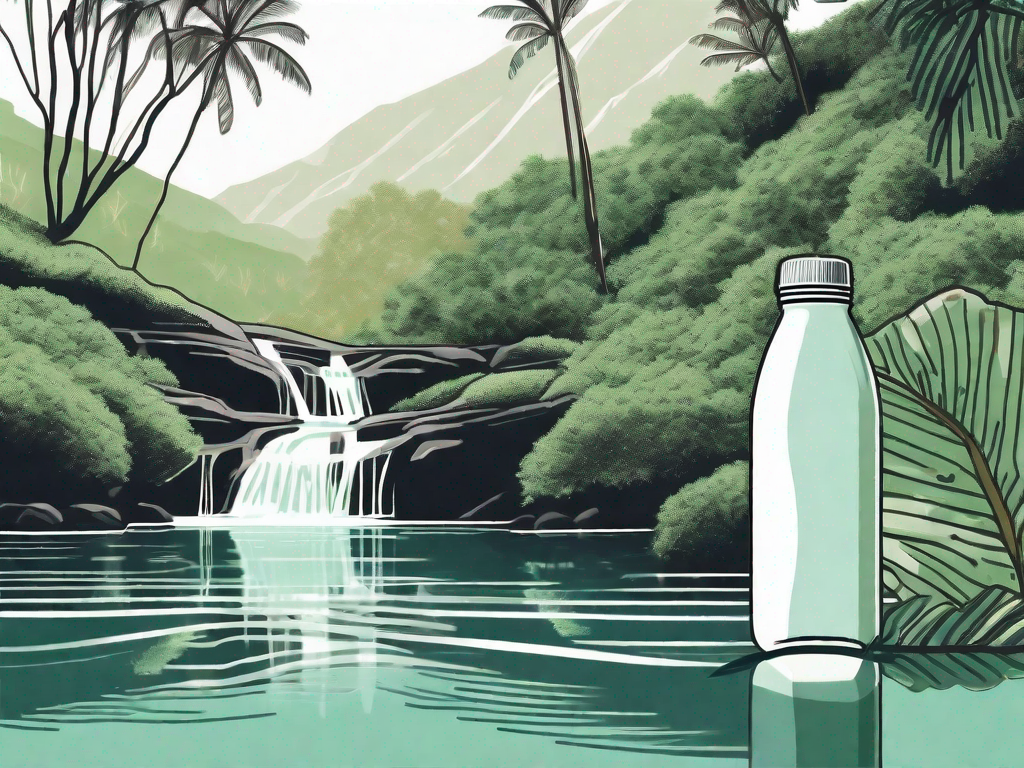
The abundant rainfall in Waimea creates a natural bounty of water. The local rivers and streams flow from the lush mountains, carrying fresh, unspoiled water. These sources are carefully selected for their purity and sustainability, providing a foundation for Waimea's water supply system.
Water Treatment Processes in Waimea
Waimea takes great pride in its commitment to water quality. Before the water reaches our homes, it undergoes a series of rigorous treatment processes. These processes include sedimentation, filtration, and disinfection to remove impurities and ensure the water is safe to drink.
Testing and Monitoring of Waimea's Water Quality
Waimea understands that ensuring the safety of its water supply doesn't stop at the treatment plant. Continuous testing and monitoring are essential to maintain the highest quality standards and to promptly address any potential water quality issues that may arise.
Frequency of Water Quality Testing
Water quality in Waimea is not taken lightly. The local water authorities conduct regular, comprehensive testing to ensure that the water delivered to our taps meets or exceeds the established safety standards. These tests are conducted at different stages of the water treatment process and on samples taken from across the distribution network.
Agencies Responsible for Water Quality Monitoring
Water quality monitoring in Waimea is the collective responsibility of various agencies, including the Waimea Water Department and the Department of Health. These agencies work tirelessly to safeguard the water supply, employing cutting-edge technology and expertise to ensure our peace of mind.
Contaminants and Pollutants in Waimea's Water
Although Waimea's water sources and treatment processes are designed to provide safe drinking water, it's essential to understand the potential contaminants and pollutants that could affect water quality.
Common Water Contaminants
Waimea, like any other region, faces challenges in maintaining water quality. Contaminants such as bacteria, viruses, protozoa, heavy metals, and synthetic chemicals can find their way into our water sources. However, through robust monitoring and treatment processes, the impact of these contaminants is minimized, ensuring the safety of our drinking water.
Impact of Agriculture and Industry on Water Quality
Agricultural practices and industrial activities can have an impact on the purity of water sources. In Waimea, the local authorities and farmers work collaboratively to reduce the use of harmful pesticides and fertilizers, ensuring that agricultural activities do not compromise the safety of our water supply.
Comparing Waimea's Water Quality to Other Regions
As residents of Waimea, it's natural to wonder how our water quality compares to other regions, both within Hawaii and the mainland United States. Let's take a closer look at the broader context.
Water Quality in Other Hawaiian Islands
In Hawaii, water quality is closely monitored across all islands. Thanks to strict regulations and diligent testing, the water supplied to residents throughout the archipelago is held to high standards. However, each island has unique challenges and water sources, so it's crucial to focus on the specific water quality situation in Waimea.
Water Quality in Mainland US
When comparing Waimea's water quality to the mainland United States, it's important to note that water quality standards in the US are comprehensive and strictly enforced. The EPA regulates tap water quality and establishes maximum contaminant levels that all public water systems must meet. While Waimea's water supply is carefully managed, the US as a whole upholds rigorous standards to ensure the safety of drinking water nationwide.
So, after exploring the various facets of Waimea's water quality, we can confidently say that Waimea's water is indeed safe to drink. With its commitment to rigorous testing, monitoring, and treatment processes, coupled with the pristine natural sources, Waimea sets a high bar for water safety. So, raise your glass and enjoy the refreshing taste of Waimea's safe, clean drinking water!