Every day, we take a sip of water without thinking twice. But have you ever wondered about the safety of the water you drink? Specifically, is the water in Warsaw, Indiana safe to drink? Let's dive into the fascinating world of water safety standards, the source of Warsaw's water supply, contaminants and pollutants, water quality reports, and the potential health implications. Buckle up for a wild water ride!
Understanding Water Safety Standards
When it comes to safe drinking water, we must first understand the regulations that govern it. Safe water is not just about clear and odorless liquid pouring out of our faucets. It's a careful balance of elements that meet specific criteria.
So, what constitutes safe drinking water? According to experts, water must be free from harmful microorganisms, chemicals, and physical impurities. To achieve this, federal and state regulators have set stringent standards that must be met to ensure the absolute safety of our drinking water.
One of the key aspects of water safety standards is the removal of harmful microorganisms. These microscopic organisms, such as bacteria, viruses, and parasites, can cause serious illnesses if consumed. To ensure the elimination of these microorganisms, water treatment plants use various methods, including filtration, disinfection, and chlorination.
Filtration is a process that removes larger particles and sediments from the water. This is typically done through the use of filters, which can be made of materials like sand, activated carbon, or ceramic. These filters trap the impurities, allowing only clean water to pass through.
Disinfection is another crucial step in ensuring water safety. It involves the use of chemicals or physical processes to kill or inactivate microorganisms. The most commonly used disinfectant is chlorine, which effectively destroys harmful bacteria and viruses. Other methods of disinfection include ultraviolet (UV) radiation and ozonation.
In addition to microorganisms, water safety standards also address the presence of chemicals in drinking water. Chemical contaminants can come from various sources, including industrial activities, agricultural practices, and even natural processes. These contaminants can pose serious health risks, depending on their concentration and exposure duration.
To regulate the levels of chemicals in drinking water, water treatment plants conduct regular testing and monitoring. They follow guidelines set by regulatory bodies, such as the Environmental Protection Agency (EPA), to ensure that the water meets the required safety standards. If any chemical contaminants are detected, appropriate measures are taken to remove or reduce their presence.
Physical impurities, such as sediment, rust, or debris, can also affect the quality of drinking water. While not necessarily harmful to health, these impurities can affect the taste, appearance, and overall acceptability of the water. To address this, water treatment plants employ processes like sedimentation and filtration to remove these particles.
Overall, water safety standards are crucial in ensuring that the water we consume is free from harmful microorganisms, chemicals, and physical impurities. The efforts of regulatory bodies and water treatment plants play a vital role in maintaining the quality and safety of our drinking water. By adhering to these standards and investing in proper water treatment infrastructure, we can enjoy clean and safe water for our daily needs.
The Source of Warsaw's Water Supply
Now that we know what safe drinking water is, let's explore the source from which Warsaw, Indiana quenches its thirst. Believe it or not, Warsaw is blessed with abundant natural water sources that provide the backbone of its water supply.
Natural Water Sources in Warsaw
Warsaw's water supply predominantly comes from groundwater, which is nature's hidden gem beneath our feet. Rich aquifers beneath the surface act as natural reservoirs, providing us with cool, crisp water for sustenance.
Water Treatment Processes in Warsaw
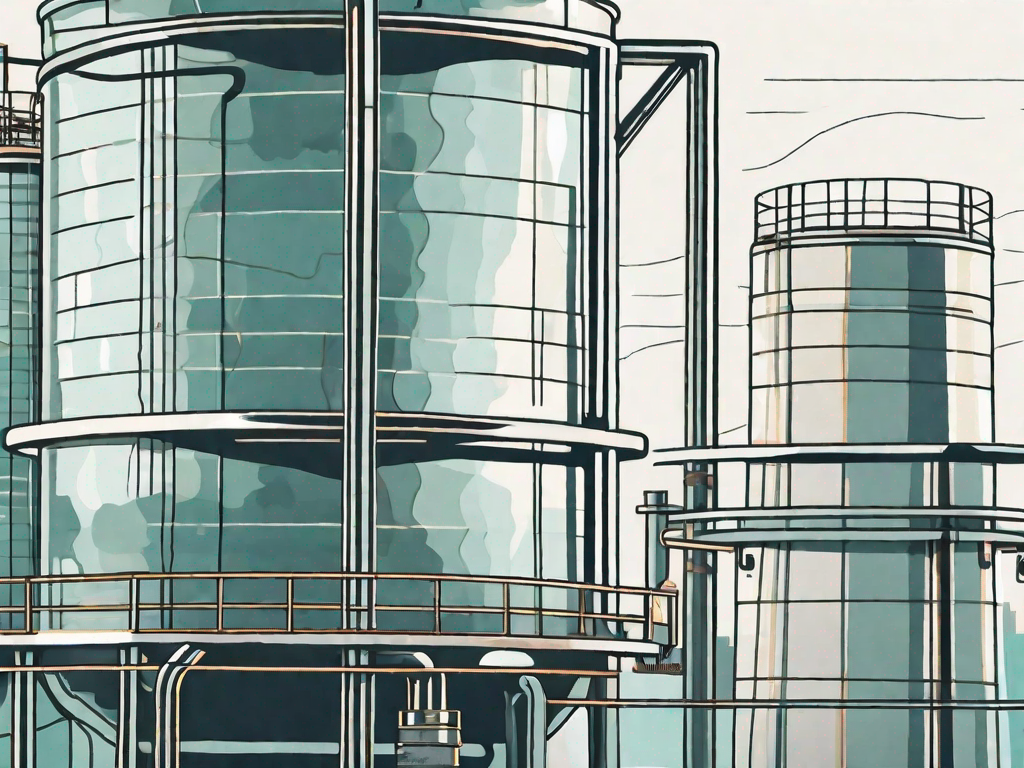
However, before this groundwater reaches our taps, it undergoes rigorous treatment processes. Warsaw's water treatment facilities use state-of-the-art technology to ensure the highest quality water for its residents.
The treatment process involves various steps, such as sedimentation, filtration, disinfection, and pH adjustment. It's like sending the water to a day spa where impurities are stripped away, leaving it refreshed and ready for consumption.
Contaminants and Pollutants in Warsaw's Water
As much as we'd love to believe that our water is pristine, there are unavoidable contaminants and pollutants that may find their way into Warsaw's water supply. Let's explore some of the usual suspects.
Common Water Contaminants
It's a bird, it's a plane, no, it's... harmful bacteria, viruses, and parasites! While authorities take every precaution to eliminate these microorganisms, sometimes they sneak through like comic book villains. Other common contaminants include heavy metals, agricultural runoff, and industrial chemicals.
Impact of Industrial Activities on Water Quality
Warsaw, like any thriving city, has its fair share of industrial activities. While these industries contribute to economic growth, they also have an impact on water quality. Effluents and discharges from factories can introduce pollutants into the water supply, making it a challenge to maintain pristine water quality.
Water Quality Reports for Warsaw, Indiana
If you're curious about the water quality in Warsaw, fret not! Authorities regularly conduct water quality assessments and produce detailed reports that shed light on the safety of the water we consume.
Interpreting Water Quality Data
Reading water quality reports may seem like decoding a secret message, but fear not, citizen! These reports provide valuable information on the levels of contaminants, treatment processes, and compliance with safety standards. They are an essential tool in understanding the overall quality of Warsaw's water.
Recent Water Quality Assessments
So, what's the latest scoop on Warsaw's water? Recent water quality assessments have shown that overall, the water meets the necessary safety standards. However, it's important to stay informed and be aware of any updates or challenges faced in maintaining water quality.
Health Implications of Drinking Warsaw's WaterDrumroll, please! It's time to uncover the potential health risks associated with drinking Warsaw's water.
Potential Health Risks
While the water in Warsaw is generally safe to drink, certain risk factors exist. People with weakened immune systems, infants, and pregnant women may be more susceptible to some contaminants. It's always advisable to consult with healthcare professionals if you have specific concerns regarding your health.
Long-term Effects of Contaminated Water
Over the long haul, consuming water with elevated levels of contaminants can have adverse health effects. Some contaminants, when present in high concentrations, are linked to various health issues. That's why it's vital for authorities to monitor and address any potential threats to ensure the continued safety of Warsaw's water.
Drink up with Peace of Mind!
So, is Warsaw, Indiana water safe to drink? The answer is a resounding yes! Thanks to rigorous treatment processes, regular water quality assessments, and adherence to safety standards, you can quench your thirst without worry.
While some uninvited contaminants may occasionally make an appearance, authorities in Warsaw are dedicated to safeguarding the health of their residents by continuously monitoring and improving the quality of the water supply.
Now that you have a newfound appreciation for the measures taken to keep your water safe, take a moment to savor that refreshing sip – it's a taste of reassurance!